A building permit in Asunción is not decorative paperwork. It is the frame that keeps a job from stopping halfway. This is not legal advice and not an official checklist. It is a client guide: which questions to ask and what not to sign in a hurry. Do not start structure on a verbal promise.
Key points
- What “being in order” means for you: For the client, being in order means you can build without a surprise stop, connect services and, if needed, mortgage or sell later without a documentary hole.
- The order that avoids paying twice: First the lot and its constraints.
- Neighbours and what the render hides: Many disputes start with a badly placed window or drainage toward the next lot.
- Services and “we will see later”: Power, water, sewer or septic, stormwater to the street.
- How to raise it in the first meeting: Bring title or sale papers, a lot plan if you have one, and a direct question: who assembles the file, who follows it, and what cannot start until which stamp.
What “being in order” means for you
For the client, being in order means you can build without a surprise stop, connect services and, if needed, mortgage or sell later without a documentary hole. Your job is to ask what is missing, how long a realistic path takes, and what can run in parallel without emptying the lot. “The neighbour already built” is not an argument.

The order that avoids paying twice
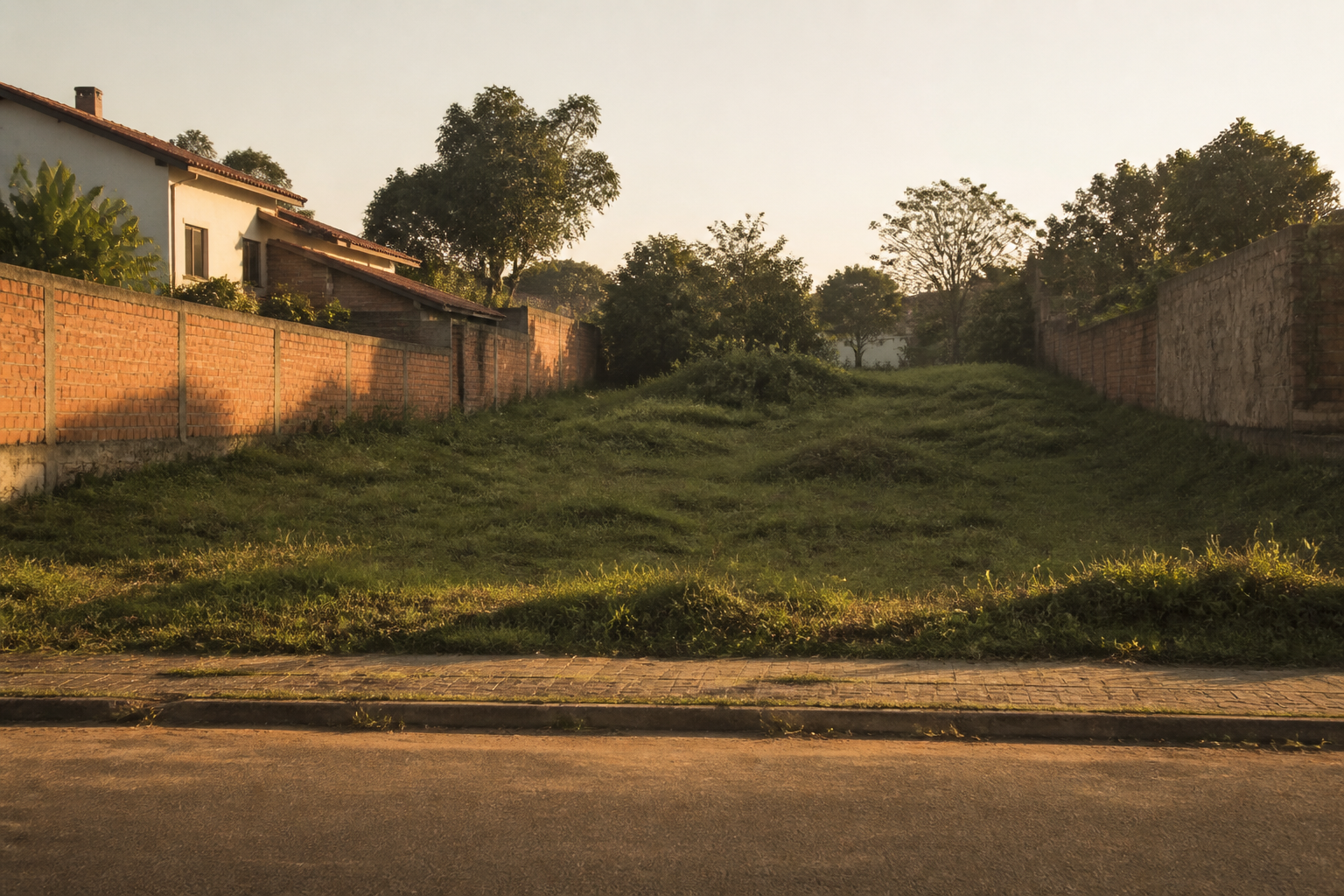
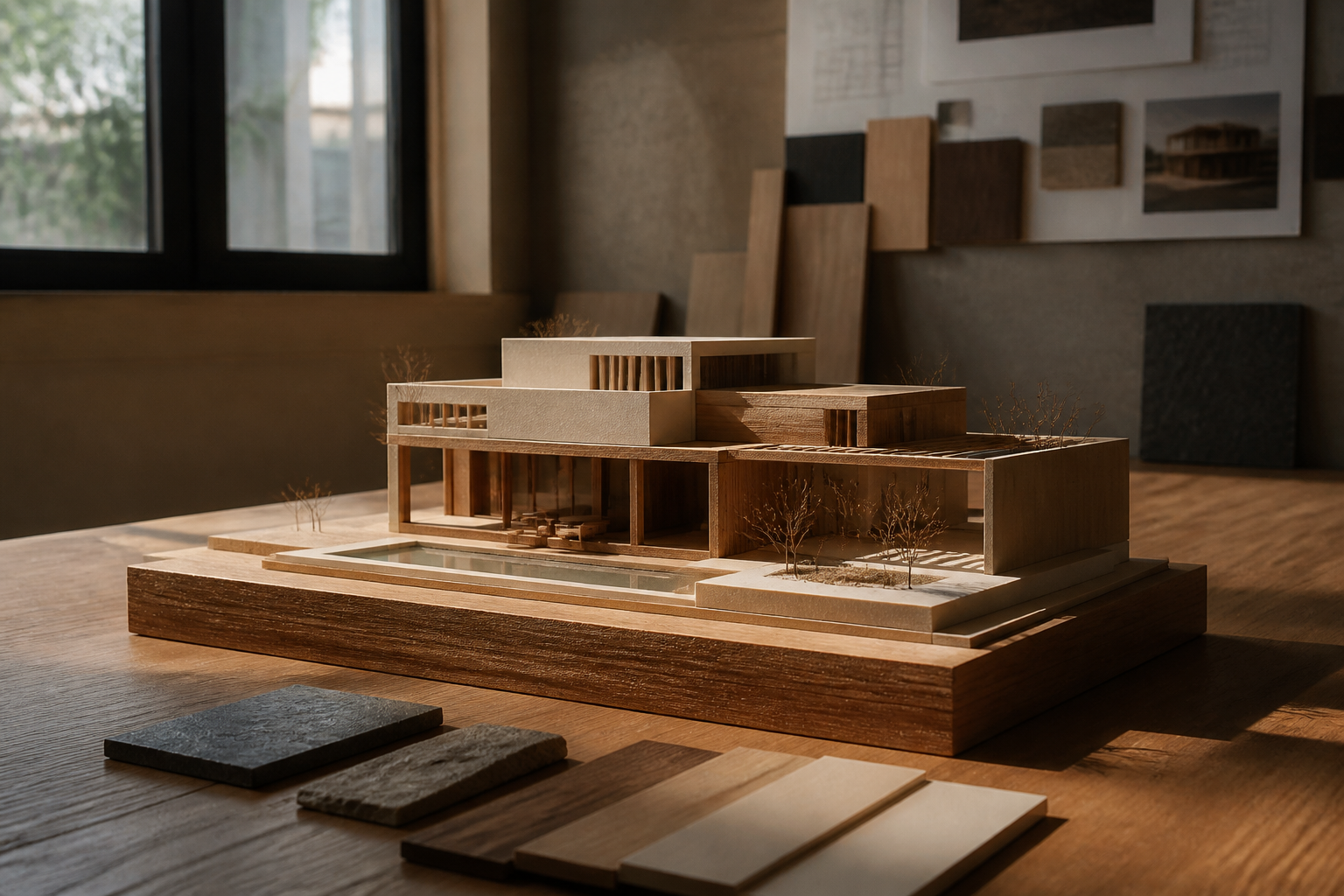
First the lot and its constraints. Then a sketch design that can actually be filed. Only then a construction budget that assumes that scope. Reversing the order is common: a house is priced that the zoning does not allow. Ask for the difference on one page, not in jargon.
Neighbours and what the render hides
Many disputes start with a badly placed window or drainage toward the next lot. Ask how existing conditions are surveyed. The municipal file does not replace that conversation.
Services and “we will see later”
Power, water, sewer or septic, stormwater to the street. Write down what is in the budget and what is on you. On a new lot, the connection can matter more than the facade. If nobody drew the networks, the house is not truly buildable yet.
How to raise it in the first meeting
Bring title or sale papers, a lot plan if you have one, and a direct question: who assembles the file, who follows it, and what cannot start until which stamp. For legal detail, your lawyer and the signing professional. This text does not replace current rules.
Terms in this article
- sketch design
- Initial document with siting, brief and massing to price and permit, before detailed drawings.
- drainage
- System that removes rainwater and/or wastewater from the plot.
Frequently asked questions
Frequently asked questions
What does "What “being in order” means for you" mean for your project?
For the client, being in order means you can build without a surprise stop, connect services and, if needed, mortgage or sell later without a documentary hole. Your job is to ask what is missing, how long a realistic path takes, and what can run in parallel without emptying the lot. “The neighbour already built” is not an argument.
What does "The order that avoids paying twice" mean for your project?
First the lot and its constraints. Then a sketch design that can actually be filed. Only then a construction budget that assumes that scope. Reversing the order is common: a house is priced that the zoning does not allow. Ask for the difference on one page, not in jargon.
What does "Neighbours and what the render hides" mean for your project?
Many disputes start with a badly placed window or drainage toward the next lot. Ask how existing conditions are surveyed. The municipal file does not replace that conversation.
What does "Services and “we will see later”" mean for your project?
Power, water, sewer or septic, stormwater to the street. Write down what is in the budget and what is on you. On a new lot, the connection can matter more than the facade. If nobody drew the networks, the house is not truly buildable yet.
What does "How to raise it in the first meeting" mean for your project?
Bring title or sale papers, a lot plan if you have one, and a direct question: who assembles the file, who follows it, and what cannot start until which stamp. For legal detail, your lawyer and the signing professional. This text does not replace current rules.
Next step
This text does not replace current rules. To apply this to your case, you can talk to MU with the lot and brief on the table.